

Not long ago, the idea of a “smart home” sounded like something from a sci-fi movie. Today, it’s quickly becoming normal. Lights that adjust on their own, thermostats that learn your habits, and appliances you can control from your phone are no longer luxuries — they’re slowly becoming the standard.
But the future home isn’t just about convenience. It’s about living smarter, greener, and more intentionally.
Homes That Think for You
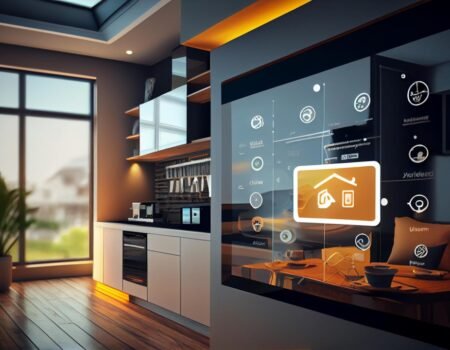
One of the biggest shifts happening right now is automation. Modern homes are learning to anticipate our needs. Your home can dim the lights in the evening, adjust the temperature before you wake up, and even remind you if you left the door unlocked.
What makes this exciting is how natural it feels. Instead of you managing your home, your home quietly supports your daily routine. It saves time, reduces small stresses, and makes everyday living smoother.
Energy Efficiency Is No Longer Optional
Sustainability has moved from a “nice bonus” to a real priority. Rising energy costs and climate concerns are pushing homeowners to think differently about how their spaces use resources.
Solar panels, energy-efficient windows, and smart thermostats are becoming more common for a simple reason — they save money while reducing environmental impact. It’s one of the rare situations where doing the right thing also benefits your wallet.
Even small changes matter. LED lighting, better insulation, and water-saving fixtures can significantly cut down a home’s footprint.
Smarter Use of Space
Future homes are also becoming more flexible. With remote work and hybrid lifestyles here to stay, people want spaces that can adapt quickly.
Dining tables double as workstations. Guest rooms turn into home offices. Furniture is getting more modular and multifunctional. The goal is simple: make every square foot work harder without making the home feel crowded.
This shift is especially important in cities where space is limited and expensive.
Healthier Living Environments
Another quiet trend is the focus on wellness at home. People are paying more attention to air quality, natural light, and noise control.
Smart air purifiers, better ventilation systems, and non-toxic building materials are becoming part of the conversation. Homes are no longer just places to sleep and store things — they’re becoming spaces that actively support our physical and mental well-being.
After all, we’re spending more time at home than ever before.
The Human Touch Still Matters
Here’s the interesting part: even with all this technology, people still want homes to feel warm and personal. The future home isn’t cold or robotic. It blends smart features with comfort, style, and personality.
Think natural materials paired with smart lighting. Cozy spaces enhanced by quiet automation. Technology works best when it fades into the background and lets the home still feel human.
What Comes Next
We’re only at the beginning of this shift. As technology becomes more affordable and sustainability becomes more urgent, future homes will continue to evolve.
The homes of tomorrow will likely produce their own energy, manage resources automatically, and adapt to our lifestyles in real time. But at the heart of it all, the goal stays the same: create spaces that make life easier, healthier, and more meaningful.
Other Articles

Budget Healthy Eating Guide Eat Well Without Spending a Fortune

No Comment! Be the first one.